Loading...
PSB Chino Concrete Works brings concrete contractor services to Moreno Valley, CA - retaining walls, driveways, patios, and foundations - with proper clay-soil base prep, city permits handled, and a response within 1 business day.
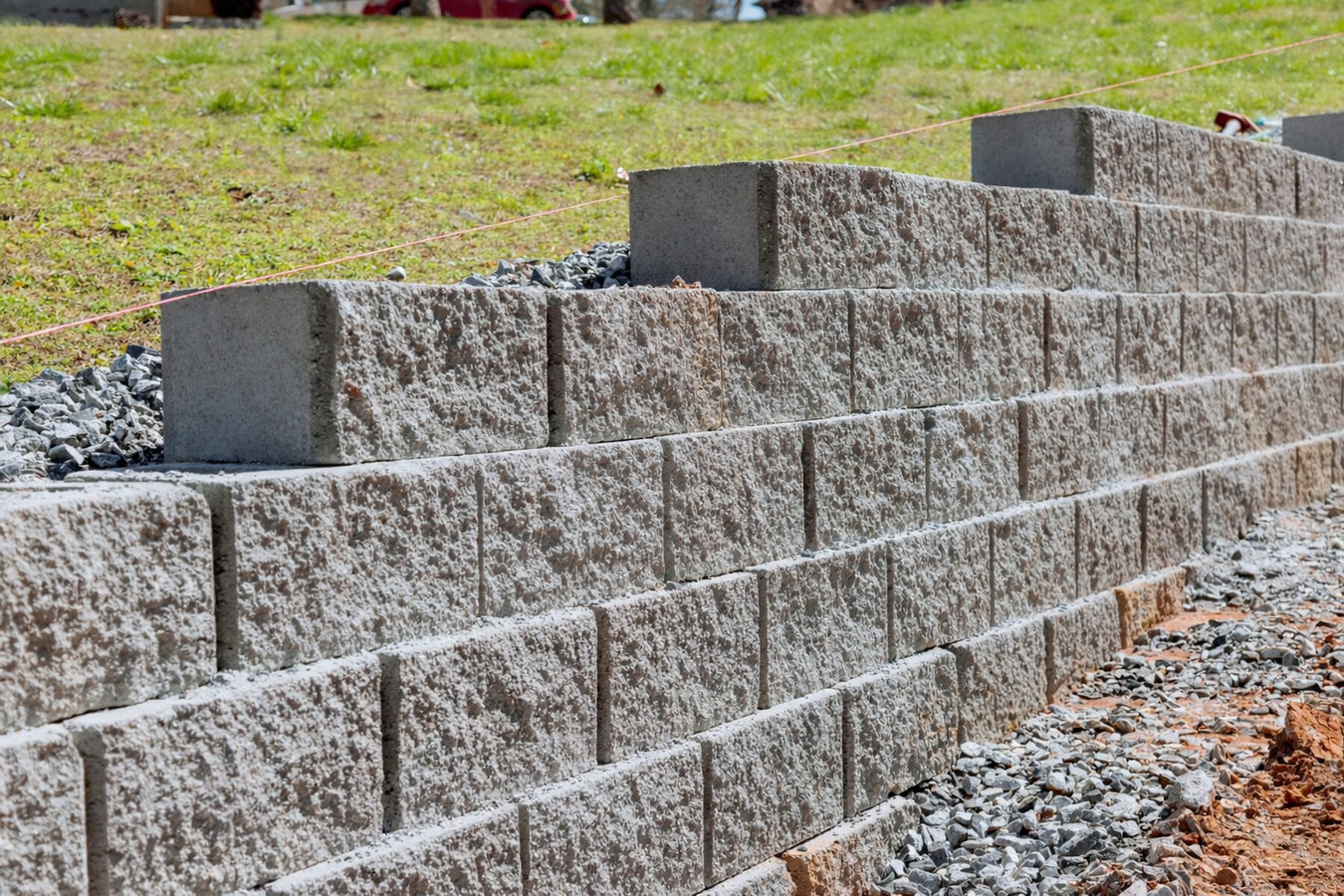
Many Moreno Valley properties - particularly in older neighborhoods and those near hillside slopes - deal with grading and erosion that gets worse after every rain season. Our concrete retaining walls are built with proper drainage to prevent hydrostatic pressure in the clay soil from pushing the wall out within a few seasons.
Most homes in Moreno Valley were built between 1980 and 2005, and a large number of those driveways are now cracked, heaved, or stained past the point of cleaning. Moreno Valley's clay soils demand a deep compacted base before any pour - skipping this step is the reason so many replacement driveways crack within a few years.
Moreno Valley families use their outdoor spaces heavily - summers are hot but evenings cool down enough for outdoor dining and recreation. A poured concrete patio holds up to intense UV exposure and occasional frost far better than wood decking or loose-set pavers on this area's clay-heavy soil.
The newer planned communities on Moreno Valley's east side, including Rancho Belago, continue to see ADU additions and backyard structure projects that require a properly engineered slab. We size and reinforce foundations to meet Riverside County soil and seismic requirements specific to this area.
Moreno Valley's tract homes from the 1980s and 1990s often have original sidewalks and walkways that have shifted and heaved over the decades. Cracked or uneven concrete paths create tripping hazards and can generate city notices requiring repair under California sidewalk liability rules.
Moreno Valley sits at around 1,600 feet in a valley surrounded by mountains, which means summer temperatures regularly push past 100 degrees F and overnight frost is real in December and January. That temperature range puts concrete under stress twice - fresh pours can surface-dry too fast in the midday heat before the interior has cured, and water that gets into small cracks during winter can freeze overnight and push those cracks wider. A contractor who pours in the wrong conditions or skips the post-pour curing process creates problems that show up within a season or two.
The clay soil under most Moreno Valley neighborhoods expands when wet and contracts in dry summer heat - a cycle that repeats every year. Slabs without a deep compacted gravel base have nothing to buffer that movement, so they crack and heave. Most of the city was built quickly during the rapid growth of the 1980s and 1990s, and some of that original flatwork was laid on shallow or improperly compacted base material. Homes in the older western neighborhoods near March Air Reserve Base tend to show the most wear, while the newer subdivisions in the east are starting to hit the age where base failures become visible.
We regularly pull permits from the City of Moreno Valley Building and Safety Division for driveway replacements, new patios, and retaining wall projects, and we are familiar with their encroachment permit process for work near the public right-of-way. Moreno Valley's residential permit queue runs efficiently for standard flatwork projects, and we factor the permitting timeline into every project schedule we give homeowners.
The city is laid out along major east-west corridors - Alessandro Boulevard and Cactus Avenue run through the center of the residential areas, while Perris Boulevard connects the older western side to the newer neighborhoods in the east. March Air Reserve Base anchors the west end of the city, and Lake Perris State Recreation Area sits just south of the city limits - both are useful landmarks for understanding where a neighborhood falls in relation to the city's growth history. Homes west of Perris Boulevard tend to be older; homes east of it are generally from the 1990s and 2000s.
We are based in Chino and also serve nearby Fontana to the northwest, so our crews are already running routes through this part of the Inland Empire regularly. If you are in Riverside, just to the west, we serve that city as well.
We reply within 1 business day. A short conversation covers your project type, where in Moreno Valley you are, and when to schedule your free on-site visit - we do not quote without seeing the site.
We measure the area, check the existing base condition and slope, and walk you through finish options. You receive a written estimate covering demolition, permits, base prep, the pour, and final cleanup - no hidden line items.
We file with the City of Moreno Valley Building and Safety Division and handle any encroachment permits if the work is near the sidewalk. We give you a realistic start date once permits clear.
Demo and base prep happen first; the pour follows. Foot traffic waits 24 hours, vehicle traffic waits 7 days, and heavy loads wait the full 28-day cure. We walk through the finished work with you before we leave the site.
No pressure, no obligation. We visit your Moreno Valley property, review the site, and give you a written estimate. Most homeowners hear back within 1 business day.
(840) 200-1378Moreno Valley is one of the largest cities in Riverside County, with a population of around 210,000 people. The city grew rapidly through the 1980s and 1990s as affordable housing drew families from Los Angeles and Orange County, and that growth period defines the character of most of its residential neighborhoods. The older western side of the city, near March Air Reserve Base, has some of the earliest housing - modest ranch homes and smaller lots that reflect the city's origins as a bedroom community. Moving east toward Perris Boulevard and beyond, the homes are larger and newer, with the Rancho Belago area representing the most recent planned development. The city's Wikipedia article offers a detailed overview of its growth history and neighborhood geography.
The majority of Moreno Valley's homes are single-family detached properties with concrete driveways, attached garages, and modest to mid-sized backyards - the standard form for Inland Empire tract development from this era. Lake Perris State Recreation Area sits just south of the city and is a well-used outdoor landmark for residents. Homeowners throughout Moreno Valley - whether near the Sunnymead commercial corridor or in the newer streets out east - share common challenges: aging concrete, expansive clay soil, and summer heat that accelerates wear on exterior surfaces. We also serve nearby San Bernardino to the north, where similar soil and climate conditions apply.
Expert driveway installation built for durability and long-lasting curb appeal.
Learn moreCustom patio pours designed to enhance your outdoor living space.
Learn moreDecorative stamped concrete that replicates stone, brick, and tile patterns.
Learn moreSafe, level sidewalk construction for residential and commercial properties.
Learn moreSmooth, reinforced garage floor slabs that stand up to daily vehicle traffic.
Learn moreStructurally sound retaining walls that control erosion and grade changes.
Learn moreInterior and exterior concrete floor installations for residential and commercial use.
Learn moreSlip-resistant pool deck surfaces that are attractive and easy to maintain.
Learn moreSturdy concrete steps built to code for entrances and landscaped areas.
Learn moreProperly graded and reinforced slab foundations for new construction.
Learn moreFull foundation installation services for residential and light commercial builds.
Learn moreHeavy-duty parking lot construction designed for high traffic and longevity.
Learn moreClean, accurate concrete cutting for repairs, modifications, and utility access.
Learn moreCall PSB Chino Concrete Works or send a message today - we respond within 1 business day and offer free on-site estimates throughout Moreno Valley and the surrounding Inland Empire.